Clinical AI
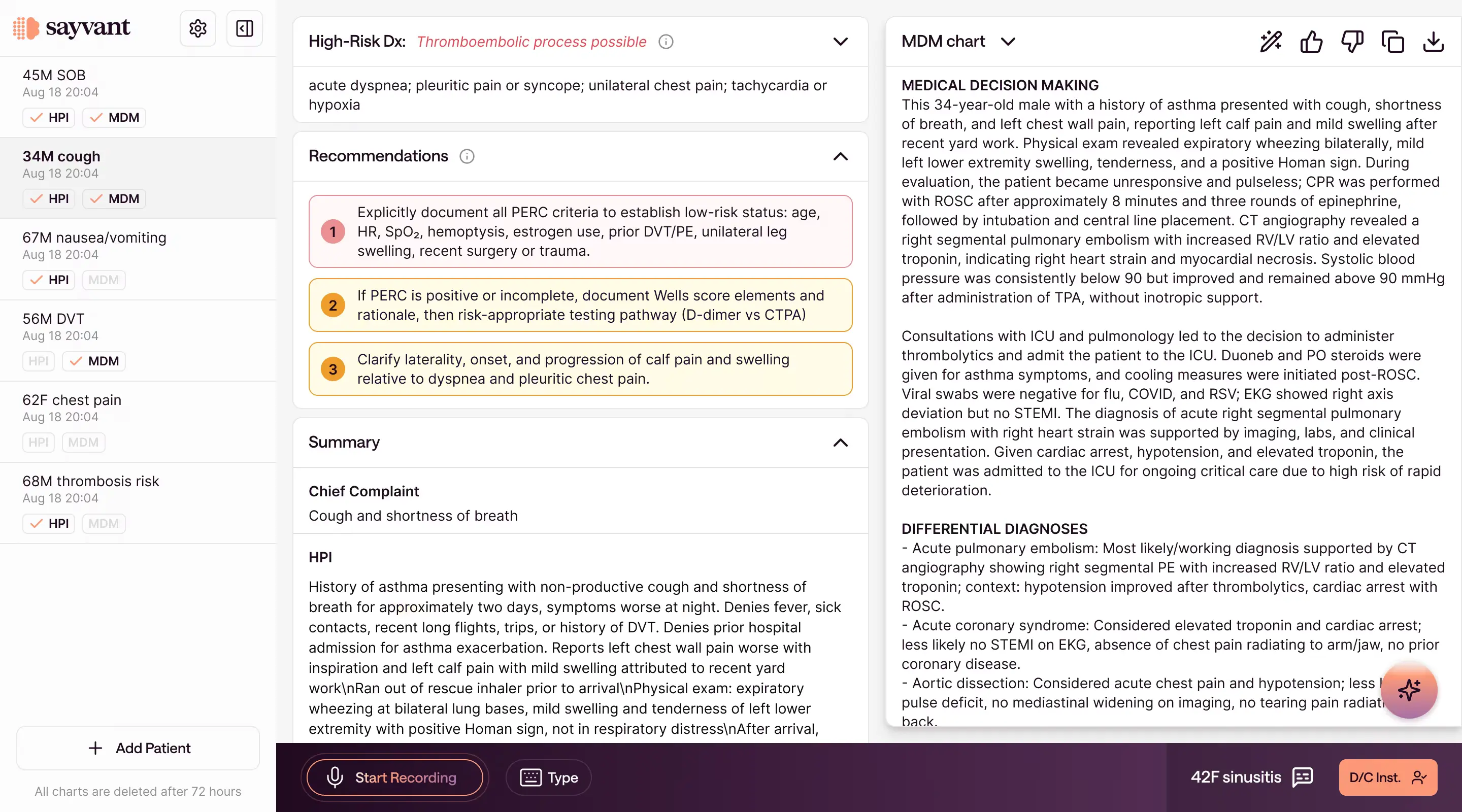
Documentation systems for emergency and hospital medicine, with the work centered on evidence grounding, validation, and failure modes physicians can actually inspect.
Read the writingAndrew Napier, MD
I am an emergency physician, founder, and physician-engineer. The work tends to live where medicine, software, and operational reality collide.
Right now I lead clinical AI at Sayvant, run IntuBlade, and study clinical informatics at Stanford. This site is where I keep the public-facing version of that work: writing, research, projects, and the reasoning behind them.
The throughline is simple: reliability matters more than fluency, access matters more than elegance, and systems should earn trust instead of performing confidence.
The categories are different, but the instinct is usually the same: make the system simpler, safer, more inspectable, and more deployable than the version that only worked in ideal conditions.
Documentation systems for emergency and hospital medicine, with the work centered on evidence grounding, validation, and failure modes physicians can actually inspect.
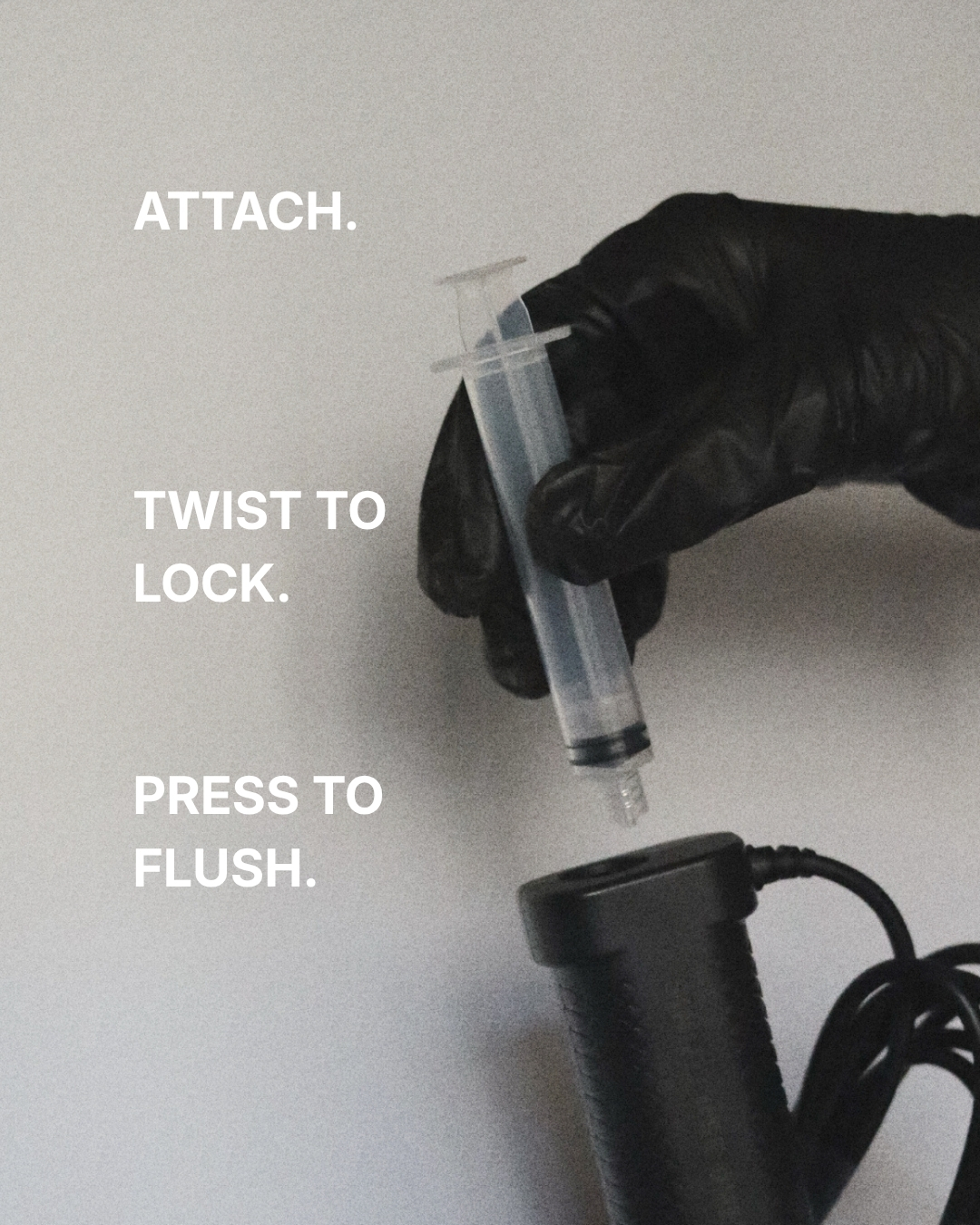
Read the writingAirway tools built around access, cost, and deployment reality rather than premium-device theater.
See IntuBladeClinical informatics work on decision support, honest evaluation, and systems that remain useful once the workflow gets messy.
See researchThe operating work, the device work, and the academic work all inform each other. I do not think of them as separate lanes.
Co-Founder & Head of Clinical AI
I lead clinical AI for documentation systems used in emergency and hospital medicine. Learn more.
Founder & CEO
I build airway hardware and related software to get video laryngoscopy into more trucks, more departments, and more hard settings. Learn more.
Clinical Informatics
My current academic work is on clinical AI evaluation, decision support, and systems physicians can actually trust. Learn more.
The essays are mostly about what changes once claims have to survive cost, workflow, fatigue, and actual consequences.
How I think about keeping physician-facing documentation systems from quietly making things up and losing trust.
Why I worked on chest pain risk support from conversation data and why support matters more than false certainty.
How I think about swapping model backends in clinical documentation without turning the chart into an experiment.
Why a cheaper video laryngoscope mattered less as a gadget problem than as an access problem.
Some of the public writing and customer-facing material lives on the company site. These are the ones most worth reading.
Sayvant · January 27, 2025
Sayvant · December 2, 2024
Sayvant · October 27, 2025
The publication list is short on purpose. I would rather have a small body of work tied to real problems than a padded bibliography.
American Journal of Emergency Medicine · 2021 · PMID 33632548
Book · 2020
Stanford MCiM · Current research track
My CV has the formal version: training, roles, publications, patents, and the rest. If the rest of the site is the reasoning, the CV is the document trail.